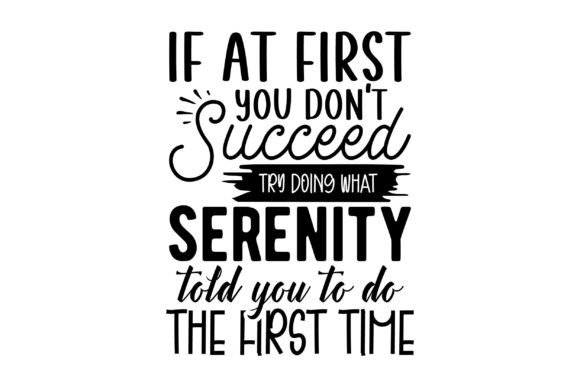
Succeed Try Doing What SERENITY: A Retro Review
As a designer who spends more time staring at stitch simulations than I do sleeping, I approach every new machine embroidery design with a healthy dose of skepticism. The market is flooded with generic quotes and clip-art style graphics that look fine on a screen but turn into a thready mess once the needle hits the fabric. So, when I stumbled across Succeed Try Doing What SERENITY, I didn't just see another witty phrase; I saw a potential staple for my craft business. This isn't just a digital file; it's a mood. It captures that specific retro, wavy, groovy aesthetic that is currently dominating boutique apparel and home decor. But does it hold up under the pressure of a real-world embroidery project? Let's dig into the details.
The First Impression: Groovy Vibes and Visual Flow
The moment you load the preview for Succeed Try Doing What SERENITY, the first thing that strikes you is the layout. Unlike standard linear text designs that sit rigidly across the chest of a t-shirt, this piece embraces movement. The "wavy" nature of the typography suggests a fluidity that translates beautifully into satin stitch work. As an experienced reviewer, I look for designs that have personality before a single thread is pulled, and this one delivers. It feels like a throwback to the 70s but cleaned up for modern production standards.
The visual personality here is key. It's not shouting; it's suggesting. The phrase itself—"if At First You Don t Succeed Try Doing What SERENITY told you to do the first time"—is a humorous take on obedience and peace of mind. For an Etsy seller or small shop owner, this kind of relatable humor is gold. It appeals to a wide demographic, from stressed parents to yoga enthusiasts. However, from a technical standpoint, the curves in the lettering require attention. Wavy text can be tricky; if the stitch density isn't balanced correctly, the peaks and valleys of the waves can cause puckering or gaps in the coverage.
Real-World Application: Where This Design Shines
I decided to test this concept mentally against a few common scenarios in my workshop. Imagine a custom order for a local boutique needing a run of sweatshirt embroidery for their fall collection. The heavy cotton blend of a crewneck sweatshirt provides the perfect canvas for Succeed Try Doing What SERENITY. The structure of the fabric supports the fill areas, and the retro vibe matches the cozy, nostalgic feel of the garment. Here, the design acts as a centerpiece, drawing the eye immediately.
Another strong contender for this graphic is a tote bag design. Canvas totes are incredibly popular for craft fairs and promotional items. Because tote bags often feature larger print areas, the wavy lines of this design can stretch out comfortably without feeling cramped. I can visualize this stitched in earthy tones—mustard yellow, burnt orange, and olive green—against a natural canvas background. It transforms a simple utility item into a statement handmade product.
For those focusing on baby embroidery, this could also work well on a onesie or a nursery pillow cover, provided the scale is adjusted. The message is gentle and funny, fitting for a baby shower gift. However, one must be cautious with the size. Scaling down a design with this much curvature requires a sharp eye on the hoop size limitations and the minimum stitch length your machine can handle without breaking threads.
Technical Considerations and Fabric Challenges
While the aesthetic is strong, we need to talk about execution. This is where many designers fail. When working with Succeed Try Doing What SERENITY on textured fabrics like waffle knits or terrycloth towels, the wavy lines might get lost in the texture of the material. In these cases, using a heavier cut-away stabilizer is non-negotiable. You need to ensure the fabric doesn't shift while the needle navigates those curves.
Stretchy fabrics present another hurdle. If you are applying this to a fitted tee or athletic wear, the density of the fill stitches could restrict the stretch of the garment or cause the design to crack over time. I always recommend running a test stitch-out on scrap fabric that matches your final product. Check how the thread colors interact with the base material. On dark fabrics, you may need an underlay stitch that is denser than usual to prevent the background color from peeking through the lighter threads of the text.
Curved surfaces, like caps, are particularly challenging for wavy text. The distortion caused by the curve of the hat brim can make the waves look uneven. If you plan to use this for custom apparel headwear, you might need to manually adjust the pull compensation in your editing software or choose a flatter section of the cap for placement.
Commercial Viability and Brand Consistency
For commercial embroidery projects, consistency is everything. Your customers expect the finished product to look exactly like the printable mockup they saw online. Succeed Try Doing What SERENITY has a distinct style that can help build brand recognition if used consistently across your product line. Whether it's on an embroidered patch for a jacket or a tea towel for a kitchen set, the design maintains its identity.
However, before listing this as a small shop product, you must verify the licensing terms included in the digital download. The description mentions "Designs ready Print" and "DIGITAL DOWNLOAD ONLY," but it is crucial to confirm if this license allows for unlimited physical sales or if there are restrictions on the number of finished items you can produce. Never assume; always read the fine print to protect your craft business.
Final Verdict and Designer Notes
In conclusion, Succeed Try Doing What SERENITY is a charming addition to any library of T-Shirt Designs and graphics. Its retro appeal is timely, and the humorous message resonates with current trends. To get the best results:
- Test first: Always stitch a sample on scrap fabric to check tension and density.
- Check contrast: Ensure your thread colors pop against the chosen fabric texture.
- Mind the details: Inspect small corners and tight curves for potential thread breaks.
- Stabilize properly: Match your stabilizer to the weight and stretch of your fabric.
- Verify rights: Confirm commercial usage rights before selling finished goods.
If you treat this digital embroidery file with the respect it deserves regarding setup and material choice, it has the potential to become a best-seller in your inventory. It's not just a design; it's a conversation starter that, when executed well, adds genuine value to your finished product.