Medical-file: Premium Graphics and Icons for Health Brands
When a client approaches me with a request to refresh their brand identity in the healthcare or wellness sector, the stakes are immediately higher than a standard retail project. Trust, clarity, and professionalism are not just aesthetic goals; they are functional requirements. Recently, while scouting for assets to support a visual concept for a boutique telehealth startup, I took a close look at Medical-file. As an experienced designer, my first impression was that this asset strikes a delicate balance between clinical precision and approachable warmth, a mood that is often difficult to achieve without custom illustration.
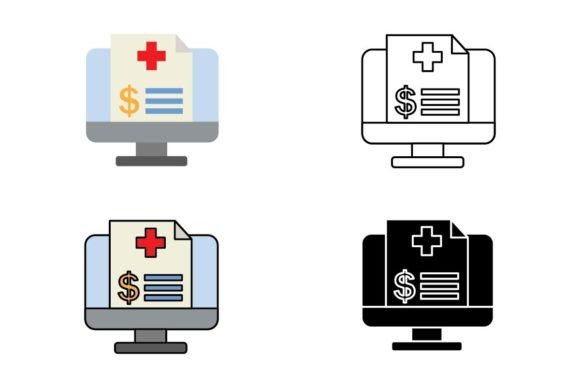
The visual language of Medical-file feels inherently modern yet grounded. It avoids the sterile, cold aesthetics often associated with generic medical clipart, opting instead for lines and shapes that suggest care and human connection. For a small business branding project, this emotional resonance is critical. Whether you are building a logo design for a local clinic, creating packaging design for organic supplements, or drafting marketing visuals for a health blog, the style of these graphics supports a narrative of reliability and innovation.
Integrating Assets into Real-World Client Workflows
In the context of a real client project, versatility is king. During my review, I evaluated how Medical-file would perform across various touchpoints of a comprehensive brand rollout. For brand identity systems, the clean lines work exceptionally well as secondary marks or pattern elements on business cards and letterheads. When scaled up for large layout areas, such as hero graphics on a website or trade show banners, the details remain crisp, ensuring the visual hierarchy remains intact.
For those operating in the print-on-demand space or running an Etsy product shop focused on nursing gifts or wellness merchandise, this asset shines. The designs translate beautifully onto t-shirt designs, tote bags, and mug sublimation projects. Because the aesthetic is not overly trendy, it has longevity, making it a safe bet for inventory that needs to sell year-round rather than just during a seasonal campaign. Furthermore, for content creators and bloggers, these graphics serve as excellent accents for Pinterest pins and Instagram posts, helping to break up text-heavy educational carousels with engaging visual anchors.
The utility extends to physical products as well. If you are a crafter using a Cricut machine, the vector nature of the source files allows for precise cutting for sticker design or vinyl decals. For editorial design, such as health magazines or informational brochures, Medical-file provides illustrative depth that stock photography often lacks, allowing for a more cohesive and custom look throughout the publication.
Technical Specifications and File Usability
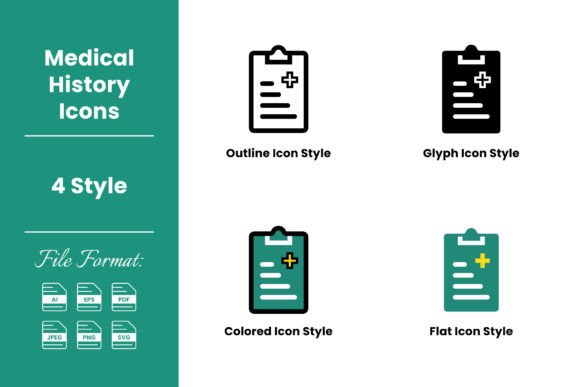
From a technical standpoint, the deliverables included in this package are robust enough for professional deployment. The collection provides three distinct digital files, all set on a 1200px by 800px canvas, which offers a solid baseline for web usage and moderate print scaling. The inclusion of an AI file is particularly valuable for designers who need to manipulate anchor points or integrate the shapes into complex Adobe Illustrator compositions. This level of editability is essential when adapting a graphic to fit specific constraints of a logo lockup or a tight packaging label.
Additionally, receiving an SVG file ensures that the graphics remain resolution-independent, a non-negotiable requirement for responsive web design and large-format printing. The PNG file included offers immediate usability for quick mockups or social media graphics where transparency is needed without the overhead of vector software. Having these formats—AI, SVG, and PNG—means that whether you are a seasoned graphic designer or a small business owner managing your own creative design tasks, you have the right tool for the job. The ease of editing these files significantly reduces production time, allowing for faster turnaround on client deliverables.
Strategic Placement and Design Constraints
While Medical-file is a strong contender for many projects, professional judgment dictates knowing where not to use it. These graphics thrive in decorative accents, themed collections, and supporting brand elements. However, caution should be exercised when placing them in extremely crowded layouts. Because medical iconography relies on clear symbolism, surrounding the graphics with too much noise can dilute their message and confuse the viewer.
Designers should also be mindful of contrast. While the lines are clean, they may get lost on complex backgrounds or low-contrast designs. It is crucial to test the asset on both light and dark backgrounds to ensure visibility. For minimalist branding projects that rely on extreme simplicity, these graphics might introduce too much detail unless carefully simplified. In professional corporate materials where strict brand guidelines dictate specific stroke weights or geometric rigidity, a custom adaptation of the SVG might be necessary to align perfectly with existing corporate standards.
Enhancing Readability and Brand Trust
The ultimate goal of any graphic design asset in the medical field is to foster trust. Medical-file contributes positively to this by offering a polished, professional appearance that elevates the perceived value of the brand. When used correctly, it improves readability by acting as a visual cue that guides the eye through information, reinforcing the emotional appeal of care and safety. This consistency helps in building audience engagement, as viewers subconsciously associate the high-quality visuals with the quality of the service or product being offered.
To maximize the potential of this asset, I recommend a few practical designer notes. First, always test the graphics in black and white to ensure the silhouette holds up without color reliance. Second, preview the design at various sizes—from a tiny favicon to a large poster—to check for legibility. Third, place the graphics on real product mockups before finalizing the design; seeing the art on a physical object often reveals spacing or scaling issues that aren't apparent on a screen. Finally, always confirm the commercial license terms before deploying the asset for a client project to ensure full compliance for commercial use.
In conclusion, Medical-file represents a versatile and high-quality addition to any designer's toolkit. Whether you are developing a comprehensive brand identity, creating a single standout piece of printable wall art, or assembling a digital product bundle, these graphics offer the flexibility and professional finish required for success in today's competitive creative marketplace.