13 National Science Day Graphics for Editorial Illustrations
As a digital publisher who spends more time in Canva and WordPress than I do sleeping, I know that the difference between a scroll-past and a click-through often comes down to a single visual element. When I first opened the 13 National Science Day Illustration pack, my immediate reaction was one of relief. Finding high-quality graphic design assets that balance educational authority with approachable charm is notoriously difficult. This collection hits a sweet spot that is perfect for modern editorial design.
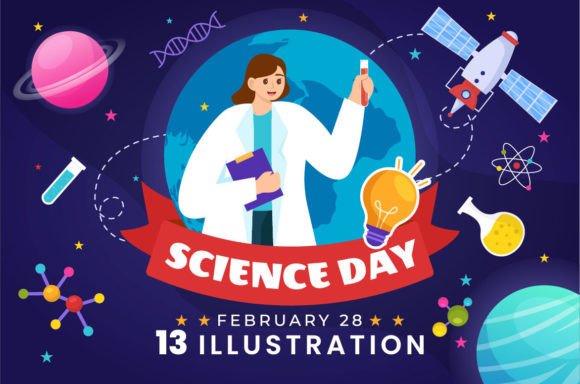
The visual mood here is distinctively "flat cartoon," but don't let that word make you think it's childish. In the context of web design, this style signals accessibility. It tells the reader, "Science is for everyone." The palette leans heavily into the cool blues and vibrant greens associated with chemical liquids and medical research, creating an atmosphere of cleanliness and innovation. For a blogger covering health tech, educational resources, or even affiliate marketing for science kits, this aesthetic builds instant trust without feeling sterile or overly corporate.
Elevating Your Content Marketing Visuals
In my workflow, these Illustrations are not just decorative; they are functional tools for content marketing. Imagine you are launching a new series on your blog about breakthroughs in medical research or the history of scientific discovery in India. Using a generic stock photo of a microscope feels tired. Swapping that out for one of these vector scenes instantly refreshes your brand identity.
I see massive potential for using these Graphics as Pinterest pins. The vertical composition of many scenes in this pack works beautifully for social media graphics. The clear lines and bold colors ensure that even when shrunk down to a mobile thumbnail, the subject matter—be it a test tube, a researcher, or a DNA strand—remains recognizable. This clarity is crucial for improving click-through rates from social platforms to your website.
Beyond social media, these assets are gold for digital products. If you are an online educator creating a digital guide or a worksheet about chemistry, these illustrations can serve as chapter headers or decorative accents. They transform a plain text PDF into a polished, professional resource that feels like a premium digital download. For those creating lead magnets, such as a free checklist for science fair projects, incorporating these visuals adds perceived value to the offer.
Strategic Placement for Maximum Impact
To get the most out of the 13 National Science Day Illustration set, you need to be strategic about where you place them. Here is how I would deploy them in a real publishing scenario:
- Website Headers: Use the wider landscape-oriented vectors as a website header background. They provide enough negative space to overlay your H1 title while setting the thematic tone immediately.
- Article Thumbnails: For category pages, these images act as perfect category visuals. They create a consistent look across your archive, helping readers recognize your science section instantly.
- Newsletter Graphics: Email clients can be tricky with images. These flat designs load quickly and render well across different devices, making them ideal for newsletter headers that announce your latest educational content.
- Affiliate Content Visuals: If you are reviewing lab equipment or educational toys, use these illustrations to break up text-heavy affiliate posts. They keep the reader engaged without distracting from your call-to-action buttons.
- eBook Covers: With a bit of typography work in a tool like Photoshop or Canva, these vectors can form the basis of a striking cover for a short printable design or eBook.
Optimizing for Performance and Readability
While the artistic merit of the National Science Day Vector Illustration is high, a publisher's job is to ensure technical performance. Before embedding these into your live site, you must consider file size. Vector files are great, but if you are exporting them as PNGs for the web, ensure you compress them properly. A slow-loading page kills user experience and hurts SEO. I recommend running these through an image optimizer to strike a balance between crisp edges and fast load times.
Typography pairing is another critical factor. Because these illustrations have a clean, modern, and slightly playful vibe, they pair exceptionally well with sans-serif fonts like Montserrat or Open Sans for body text. However, don't be afraid to experiment. Placing these beside a bold display font for headlines can create a dynamic contrast that draws the eye. I've also found that testing these graphics in black and white can reveal if the contrast is strong enough for grayscale printing, which is useful if you ever decide to offer physical printable design versions of your guides.
Where to Use Caution
No design asset is a one-size-fits-all solution. There are scenarios where the 13 National Science Day Illustration might not be the right choice. If you are running a highly serious, corporate medical journal or a legal blog, the "cartoon" style might undermine the gravity of your content. In those niches, photorealism is usually preferred.
Additionally, be careful when using these on busy layouts. Because the colors are vibrant, placing them over a patterned background or next to too many other colorful elements can create visual noise. Always ensure there is enough whitespace around the graphic to let it breathe. On mobile devices, avoid using versions with intricate details in tiny thumbnails; the fine lines of the chemical glassware might blur, reducing the effectiveness of the visual hierarchy.
Final Thoughts on Commercial Viability
For small business branding and creative entrepreneurs, this pack represents a cost-effective way to elevate content quality. Whether you are building a Canva template for teachers or designing a landing page for a science camp, these assets provide a cohesive look that usually requires hiring a custom illustrator.
However, a crucial note for all publishers: always verify the licensing terms before using these in monetized projects. Ensure you have the appropriate commercial license if you plan to use these on affiliate pages, in paid courses, or as part of a product you intend to sell. Most reputable marketplaces provide clear guidelines, but due diligence protects your business.
In conclusion, the 13 National Science Day Illustration collection is a versatile tool for anyone looking to inject life into their educational content. It bridges the gap between fun and factual, making complex topics feel inviting. By integrating these design assets thoughtfully into your editorial design strategy, you can create a more engaging, trustworthy, and visually stunning experience for your audience.